
OnlyFans offers no built-in directory, so zero-cost discovery depends on outside sources and the protocols you build around them. BestOnlyFans refreshes its rankings every month.

Ranking sites refresh their data on a schedule, which makes them a useful starting filter rather than a final answer. The BestOnlyFans method stays consistent across updates.
The sections below set out a practical framework: how the platform’s search gap creates risk, how to verify a page before you follow it, how to protect your privacy and payment data, and how to monitor accounts over time.
Understanding Platform Search Limitations
You reach a page almost exclusively through a direct link, a creator’s own promotion, or an outside list.

That absence shapes the whole discovery landscape. A normal social platform filters and ranks content for you; here the sorting falls to aggregators, forums, and word of mouth. Some sources are careful and current, while others are scraped, stale, or built only to capture traffic.
Risk follows directly from the gap. A link promising free access can lead to a convincing fake login page, a profile that quietly bills after signup, or an account belonging to someone other than the person advertised.

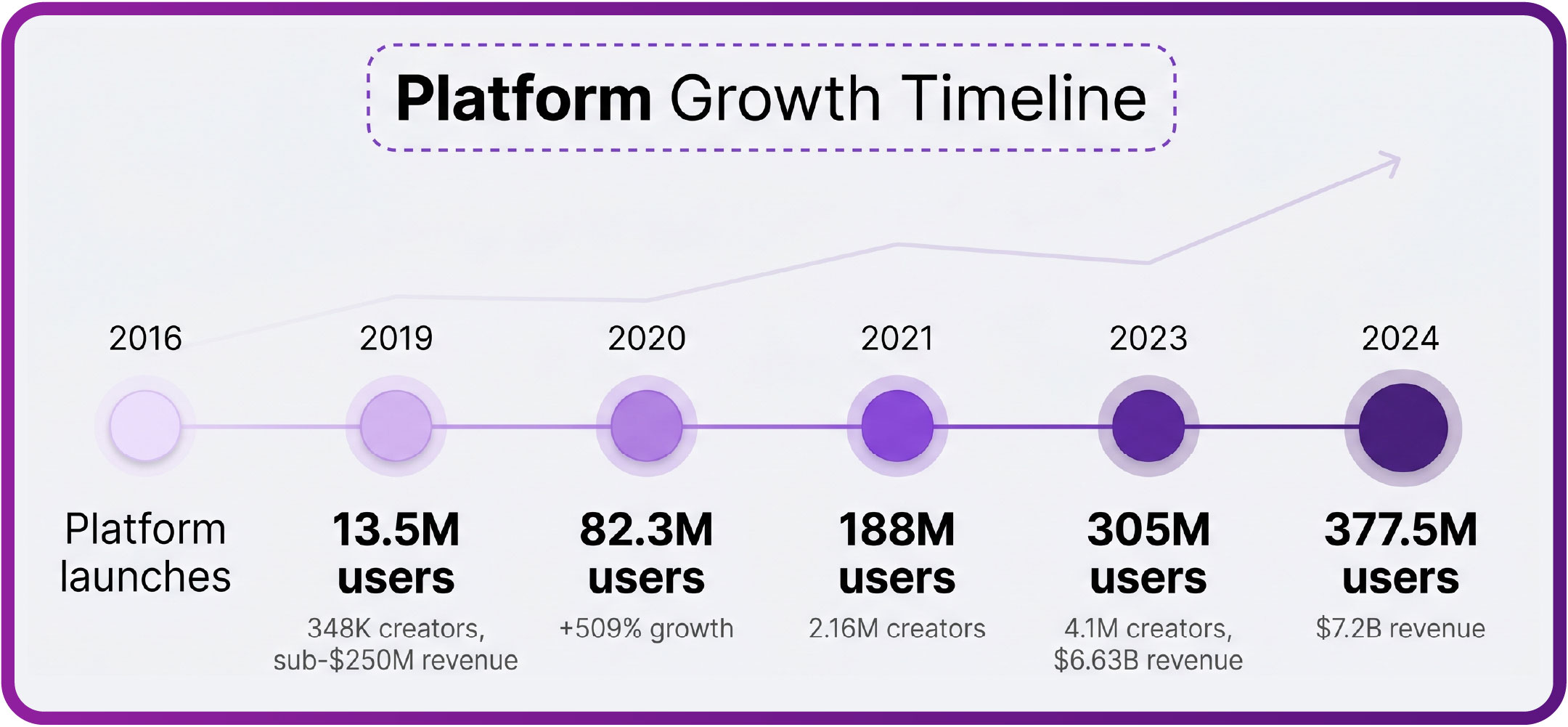
The user base expanded sharply around 2020, and a larger audience attracts more imitation pages.
Verification Steps Before Following Free Accounts

- Confirm the profile link is exact. Compare the handle character by character against the creator’s own promotion. Lookalike handles that swap a letter or add a digit are a standard impersonation tactic.
- Check the posting history. A legitimate free page shows consistent activity across weeks or months. A profile created days ago with a handful of posts and no history is a common throwaway setup.
- Read the bio and pinned post for contradictions. Mismatched claims, contact details pointing off-platform, or pressure to move the conversation to another app are warnings worth heeding.
- Verify the price structure. A genuine free page sets the subscription to $0 and earns through tips and pay-per-view messages. If a page claims free but requests an upfront card charge, it is not free.
- Cross-check against one independent source. A second listing that shows the same handle and describes the same activity reduces the chance you are viewing a clone.
Privacy-First Browsing Infrastructure
Treat discovery as a privacy exercise: limit what each site can learn about you, and separate the accounts and payment methods used for subscriptions from everything else.
| Privacy Tool | Protection Level | Implementation Complexity |
|---|---|---|
| Reputable VPN | Masks IP address and encrypts traffic on untrusted networks | Low — install once, connect before browsing |
| Dedicated browser profile | Isolates cookies, sessions, and logins from daily browsing | Low to moderate — one profile per use |
| Payment masking or virtual card | Keeps your real card number out of third-party forms | Moderate — setup with your bank or provider |
| Separate email and account | Prevents cross-linking your identity across services | Moderate — new address, unique password, no reuse |
Combined, these tools shrink the surface area an attacker or careless site can exploit.
Warning: never enter your OnlyFans password on a page reached through a shortened link or an unsolicited message. Phishing pages clone the login screen precisely, so inspect the domain before typing anything.

A unique password stored in a manager removes the most common path to a compromised profile.
External Discovery Channels and Risk Assessment
Every channel carries a distinct risk profile, and knowing which is which helps you decide how much verification a given lead deserves.
- Creator’s own verified social profile: lowest risk, since the link originates from the person it points to. Still confirm the handle matches across platforms.
- Curated ranking or review sites: moderate risk. Quality varies by site, so favor those that publish how listings are verified and update them on a schedule.
- Community forums and threads: higher risk. Recommendations are genuine but anonymous, and posted links can be edited or hijacked later.
- Direct messages and unsolicited links: highest risk. Treat every unprompted link as hostile until proven otherwise.
The pattern is simple: the further a link travels from its original source, the more chances it has to be altered.
Independent guidance on recognizing phishing attempts is worth reviewing periodically, because techniques evolve faster than most checklists.
Card Verification Holds and Account Setup Security
The platform places a $0.10 verification hold to confirm the card is valid; it refunds within days. The real risk is the assumption that every charge labeled verification is legitimate. A hold of a few cents is normal; a larger amount presented as a verification fee is not.

During setup, use a masked or virtual card number where your provider supports it, and keep the account’s email separate from your primary address. Paid pages run from $4.99 to $49.99, with most clustering between $5 and $10. Promotional first months can dip below $4.99, but the standing base price cannot. When a creator raises the price, auto-renew stops automatically, and existing access continues until the paid period ends. The platform fee is 20% on all transactions; the creator keeps 80%.
Ongoing Account Monitoring Practices
A light monitoring routine catches transitions early, while the cost of reacting is still low.
| Monitoring Task | Frequency | Action if Triggered |
|---|---|---|
| Review subscription price and renewal status | Monthly, and after any platform notice | Confirm the change; let auto-renew lapse if the new price is unwanted |
| Check posting pattern consistency | Every few weeks | Pause engagement if activity stops abruptly or content tone shifts sharply |
| Verify account access and login history | Monthly | Change password and enable two-factor authentication if anything is unfamiliar |
Watch for specific warning signs that a page is no longer what it was.
- Sudden silence: posting stops entirely with no notice, often indicating an abandoned or seized account.
- Abrupt content change: the page pivots to unrelated promotion, a sign the handle was sold or repurposed.
- Off-platform payment requests: any push to pay through a direct transfer or gift card instead of the platform’s own system.
- Repeated link changes: the profile keeps redirecting to new URLs, a classic hijack pattern.
- Impersonation signals: duplicate profiles appear using the same name and images.
- Login or notification anomalies: unexpected password-reset emails or alerts you did not trigger.
Two-factor authentication is the strongest single defense against account takeover. If a transaction proves fraudulent, understanding how a chargeback works gives you a defined recovery path.
Building a Sustainable Free Page Watchlist
A watchlist is a short, curated set of free pages you have already verified, kept somewhere you control. Add slowly, remove quickly, and never let the list outgrow what you can monitor.
- Verified handle: the exact profile link has been confirmed against the creator’s own promotion.
- Consistent history: the page has shown regular activity across an extended period.
- Clear free model: subscription is set to $0, with earnings from tips and pay-per-view rather than an upfront charge.
- No off-platform pressure: the bio and messages stay within the platform’s own payment and messaging tools.
- Independent corroboration: at least one separate source lists the same page with matching details.
- Clean monitoring record: no warning signs have appeared since you added it.
- Defined review date: each entry carries a date for its next check so nothing lingers unexamined.
Keep the list private and store it with your own notes rather than in a public bookmark folder. If you later add paid pages, tips can reach $100, pay-per-view unlocks run up to $50, and paid chat commonly sits at $3 to $5 per message.
Ranking Data Integration for Safer Discovery
A list that documents how each page was verified gives you a head start, provided you still run your own confirmation steps. BestOnlyFans is built around that verification-first approach.
Three data points are worth pulling from any ranking source before you investigate a page yourself.
- Verification method disclosed: how the list confirmed the page’s identity, and when it last checked.
- Price and model accuracy: whether the listing correctly records the page as free or paid, and reflects the current structure.
- Update recency: a recent review date signals the entry is maintained rather than scraped and forgotten.
Use these points as filters, then apply your own protocol to whatever survives. When you want to test how a page’s signup flow behaves before committing, a free onlyfans account with card serves as a low-risk way to confirm the process.
Ranking data catches pages that were never legitimate; your own monitoring catches pages that started legitimate and changed. Neither layer alone covers both.

Knowing where the cancellation controls sit before you need them shortens reaction time when a monitored page stops being worth following.
FAQ
What security risks exist when browsing free OnlyFans accounts?
The main risks are phishing pages that clone the login screen, impersonation profiles that copy a creator’s name and images, and misleading free offers that bill a charge after signup.
How can I verify a free OnlyFans page is legitimate before signing up?
Confirm the exact handle against the creator’s own promotion, review the posting history for consistency, check that the bio does not push you off-platform, and confirm the page is genuinely set to $0.
What does the $0.10 card verification hold indicate during free signup?
It confirms the card is valid. The amount is refunded within days. If the amount shown is larger and described as a verification charge, treat that as a red flag and stop.
How does the ranking site verify the free pages it ranks?
The ranking site documents how each listing was checked and when it was last reviewed, rather than aggregating links without context. That disclosure lets you judge a source’s reliability and decide which pages deserve your own verification steps.